
Javea – guide for property buyers on the Costa Blanca

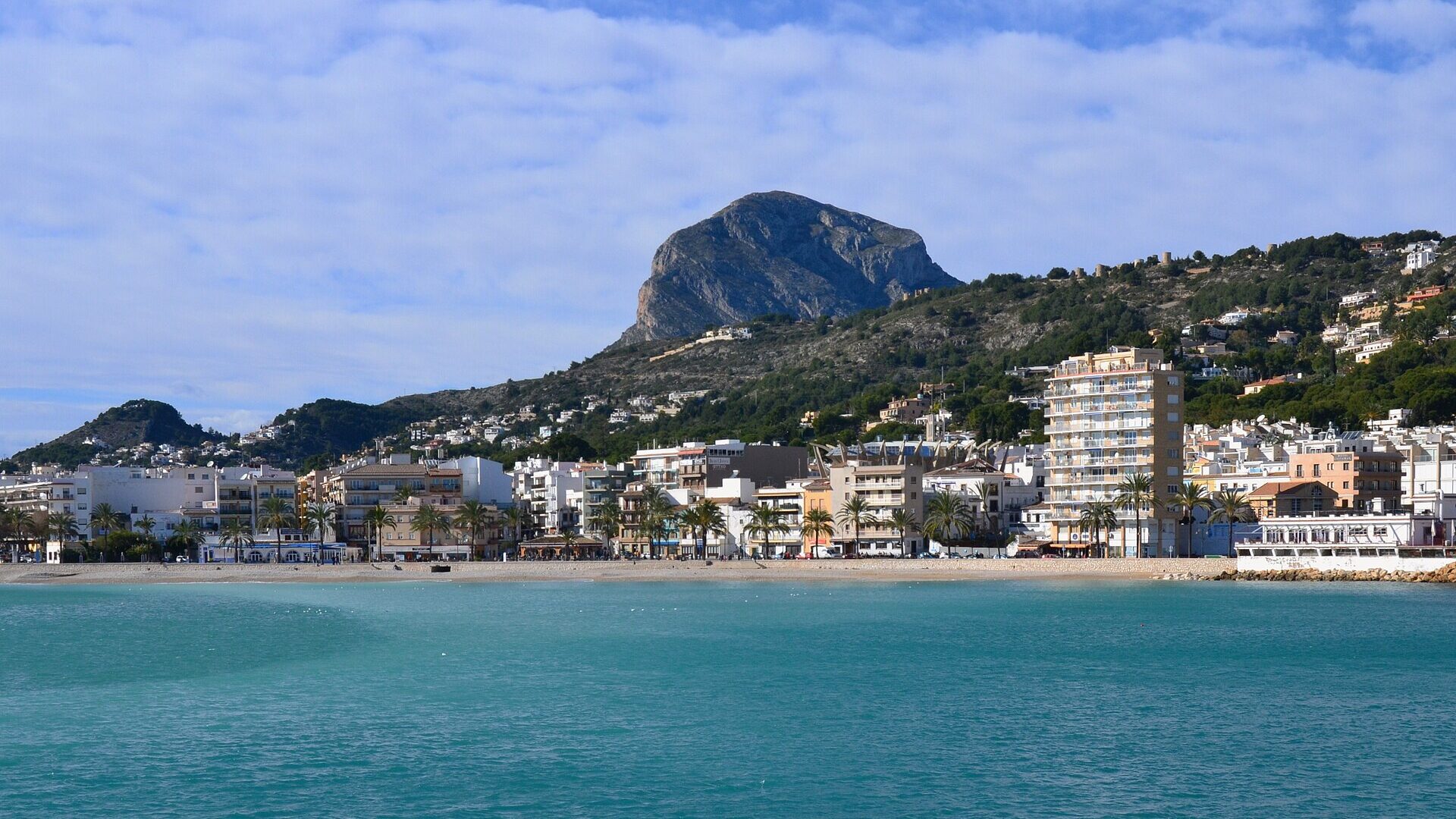
Javea (Xàbia in Valencian) lies at the easternmost tip of the coast of the province of Alicante and has about 30,600 inhabitants (INE, 1 January 2025). Every second permanent resident is a foreigner, and more than two thirds of annual visitors are foreign tourists. The municipality covers about 68.6 km² and has around 20 km of coastline, where bays alternate with high headlands.
Climate and location
The town lies at the foot of the Montgó massif (over 750 m above sea level), which has been a nature park since 1987. The coast is formed by four capes: Cap de Sant Antoni, Cap de la Nau, Cap Negre and Cap Martí, and the mild Costa Blanca climate favours living here all year round. The average annual temperature is about 18 °C. Most rain usually falls in September, October and November, often in the form of short, violent storms. The Montgó massif shelters the town from northern storms and supports a mild microclimate. The official languages are Spanish and Valencian.

What to see
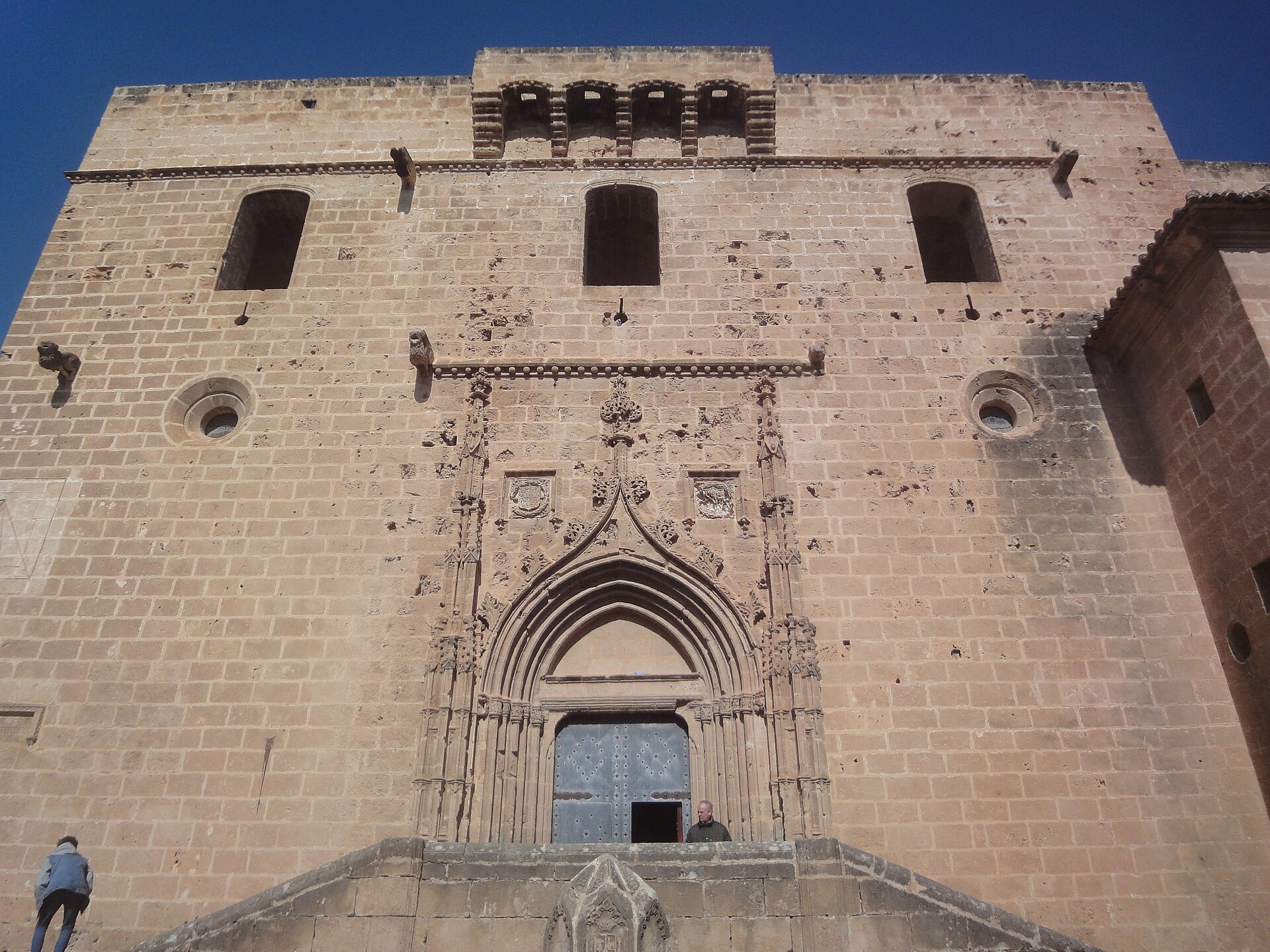
The old town with the Gothic church of San Bartolomé, the Duanes de la Mar port with its yacht marina and pebble beach, the turquoise Cala Granadella bay and trails on Montgó. The area also has traces of Roman settlement from the 1st century BC and old town walls from the days of pirate raids. Cap de Sant Antoni lies within the park; it has a marine reserve and vertical cliffs, in places higher than 150 m. In part of the park, e.g. at Cova Tallada, an online booking system applies – check the rules before you travel. In the Duanes de la Mar port stands the church of Mare de Déu de Loreto from 1967, shaped like the oval keel of a boat, and the town has the Soler Blasco archaeological and ethnographic museum. On a clear day Ibiza can be seen from the main capes.
What living here is like
Jávea (Xàbia) is quieter than other parts of the Costa Blanca, and both Spaniards and foreigners live here. Around Arenal there is a promenade with restaurants and bars, the Old Town has charming streets, and the Port has a marina with yachts. Each of these areas has supermarkets, and on Thursdays a market is held on Plaza de la Constitución. Local buses connect Arenal, the Port and the Old Town, but it is more convenient to get around the area by car, and the larger hospital is in Dénia, about 25 minutes by car.
Getting there and transport
It is most convenient to get around by car. Buses connect Xàbia with Alicante and Alicante-Elche airport (via Benitachell, Teulada-Moraira, Benissa, Calpe, Altea and Benidorm) and with Dénia, including the hospital. A town bus serves the centre, Duanes de la Mar, Arenal and the Toscamar–Cala Blanca residential areas. Line 9 of the TRAM d’Alacant ends in Dénia and does not reach Xàbia.
Districts and beaches
Most of the coast is formed by tosca rock, so apart from Arenal rocky or pebble coves dominate.
- Old town – formerly surrounded by walls, around the Gothic church of San Bartolomé.
- Duanes de la Mar (port) – marina, pebble beach and local festivals.
- Arenal – the only longer sandy beach (under 1 km), the most visited.
- Granadella and Cap de Sant Antoni – rocky coves and natural areas.
- Cap de la Nau – the easternmost cape of the province.
Who Xàbia is for
Xàbia suits people who value nature, a calmer pace of life and an international environment. There are also limitations.
- Pros: proximity to the Montgó park and the coves, a calmer atmosphere, a large foreign community.
- Cons: about 100 km to the airport, a car is needed every day, and Arenal is the only sandy beach, and not a long one.
Everyday life and traditions
In 2016 Xàbia had about 27,100 inhabitants, and in 2025 about 30,600 (INE data). About 6,000 British and about 2,000 Germans live here, 85 nationalities in total.
The highlights of the calendar are Moros y Cristianos in July in the port, the Living Chess (Ajedrez Viviente) on the last Saturday of July – since 1996 – and the Virgen de Loreto festival from the end of August to 8 September.
How a purchase works step by step
The process in Jávea starts with a reconnaissance – a viewing trip, during which you view properties in Arenal, the Port and on the slopes of Montgó. After choosing a property, a reservation agreement is signed, and in the meantime you obtain an NIE number (the EX-15 application is submitted at the police or at a Spanish consulate) and open an account with a Spanish bank. Then, after checking the registry extract (nota simple – a document showing the owner and any encumbrances), the parties sign a preliminary contract with a deposit (arras). The final step is the notarial deed and entry in the registry. No commission is charged to the buyer when buying with us, and we described the costs in the guide to costs and taxes in Spain.
Property in Javea
In Javea you will find villas with views of the sea and Montgó and apartments close to the beaches and the port. See current apartments on the Costa Blanca and houses on the Costa Blanca — no commission is charged to the buyer with us.
See also our guides to nearby towns: Dénia, Moraira, Cumbre del Sol, Calpe. You will find all locations on the World Residence favourite locations page.
Frequently asked questions
How far is Javea from the airport?
Javea is about 100 km from Alicante-Elche airport, usually about an hour and a quarter by car on the AP-7 motorway.
What costs should you add when buying property in Javea?
Javea is in the Valencian Community: ITP tax on a resale purchase is about 10% (9% below €1 million from June 2026). For new properties you pay 10% VAT and 1–1.5% AJD tax. Including the notary and the registry, costs are usually about 12% (resale) or 12–14% (new).
Is it worth buying property to rent out in Javea?
Javea attracts foreign tourists all year round, and villas with sea views are in high demand. Short-term rental requires registration, and the homeowners’ association or the municipality may introduce restrictions – we check this before the purchase.
Are there sandy beaches in Xàbia?
The main sandy beach is Arenal (under 1 km long). Most of the coast consists of rocky and pebble coves, e.g. Granadella.
Can you reach Xàbia without a car?
Yes, by bus from Alicante and the airport and by bus to Dénia. Locally, the town bus covers only selected areas, so a car is more convenient for everyday life.
Last updated: 15 October 2026.